
 Amid the effects of the pandemic, Hurricane Eta struck Nicaragua on November 3. Hurricane Iota followed two weeks later, following the same path. They were devastating, both in force and in timing. At the Union de Cooperativas Agropecuarias Augusto Cesar Sandino in San Ramon (UCA San Ramon) the hurricanes shook 50% of almost-ready-to-harvest coffee cherries from their trees. 100% of bean crops and 50% of corn crops have been washed out. Critical infrastructure necessary for exchanging goods and moving coffee to the cooperative was destroyed.
Small agroecological coffee farmers are climate defenders. They steward biodiverse forest habitats—home to orchids, birds, bees, and a variety of food and medicinal plants. Their contribution to fossil fuel emissions are minimal. They do not use fossil fuels to power tractors or apply agrochemicals produced from fossil fuels. Rather, biodiverse coffee forests are carbon sinks and provide a buffer to increasing temperatures. Yet, when climate disasters hit, they are the worst impacted.
The UCA San Ramon continues to assess damage in their member communities. They are deeply concerned about families not having enough to eat over the next year, and family members migrating in search of income. The UCA San Ramon is already at work developing an action plan to recuperate their coffee forests and re-activate the local economy. They are well-organized to coordinate a response, establish mutual aid networks among communities, and reach out to allies and partners for support.
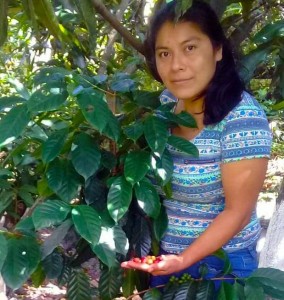 Nilda Ochoa, a promoter at the cooperative and producer of AgroEco® Coffee, is focused on the soil that was degraded by the hurricane: “When the hurricane passed, there was so much destruction—fallen trees, soil degradation, the coffee beans had not reached maturation. As women of the cooperative, we have contributed a lot to our coffee forests, working, making live fences, and windbreaks. We are thinking about what more we can do, an alternative solution so that our soil will be stronger. We need to apply different kinds of artisanal fertilizers, so the coffee will produce next year.”


